
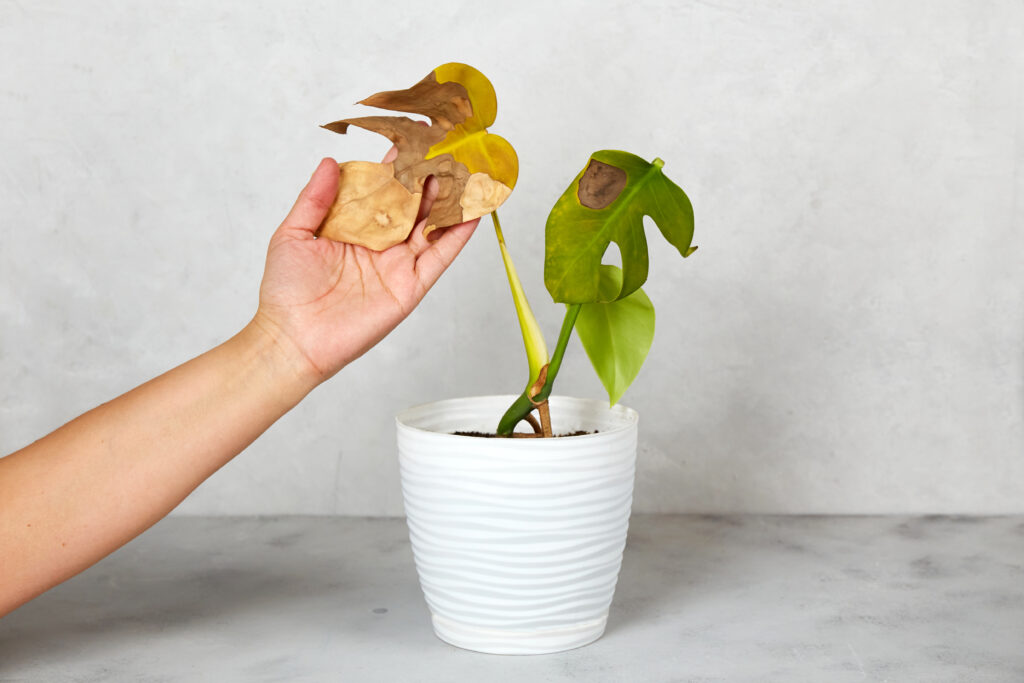
What Are the Most Common Philodendron Problems and How Can You Fix Them?
Philodendrons are generally easy tropical houseplants, but they can face many common issues such as overwatering, underwatering, poor drainage, and nutrient deficiency, which often lead to yellowing leaves, browning leaf tips, curling leaves, wilting leaves, and even root rot. Lack of sunlight or low light can cause leggy growth, while too much direct sun may result in sunburn and heat stress. Cold temperatures, drafts, and low humidity also create plant stress signs like edema and leaf damage. Philodendron diseases such as fungal leaf spot, bacterial blight, and bacterial leaf spot disease can cause visible leaf spots and browning, while pests like mealybugs, scale insects, spider mites, aphids, and fungus gnats can weaken growth. The best philodendron care includes maintaining bright indirect light, a proper watering schedule, well-draining potting soil, and good humidity requirements. Philodendron troubleshooting involves identifying the problem early and applying the right plant treatment tips, such as adjusting watering, improving soil drainage, increasing humidity, or using pest control methods to keep your philodendron healthy and thriving.
How Do I Know If My Philodendron Is Healthy?
A healthy philodendron has vibrant green leaves with no yellowing, browning, or spots. It shows steady new growth, and the stems are strong—not drooping or weak. The soil should stay slightly moist but never soggy, showing proper watering and drainage. You also shouldn’t see pests like spider mites, aphids, or mealybugs on the leaves. When the plant looks full, glossy, and actively growing, it’s a good sign your philodendron is thriving.
What Does a Healthy Philodendron Look Like?
A healthy Philodendron is a tropical masterpiece in your indoor garden. Its leaves are lush, glossy, and vibrant green, with a firm texture and no signs of drooping, curling, or browning. The stems should be strong, upright, and free from pests or fungal growth. Bright, indirect light allows the leaves to reach their full potential, while balanced humidity keeps the foliage hydrated. When a plant thrives, it almost seems to breathe life into the entire room.
What Are the Early Signs of Plant Stress?
Philodendron stress is subtle at first. Leaves may yellow slightly, tips can brown, or curling may occur. Slow growth, leggy stems, or pale new leaves indicate nutrient deficiencies or inadequate light. Wilting leaves can hint at overwatering or root rot. Even small changes like edema—water-soaked blisters on leaves—signal underlying issues. Catching these early allows you to correct watering schedules, light exposure, or humidity before serious damage occurs.
Why Are My Philodendron Leaves Turning Yellow?
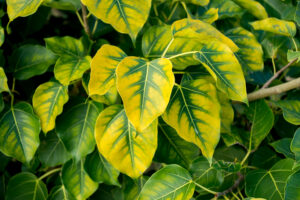
Causes of (Overwatering, Underwatering, Nutrient Deficiency, Lack of Light) Yellowing leaves are a common cry for help. Overwatering is the primary culprit; saturated soil causes roots to suffocate, preventing nutrient absorption. Underwatering can also stress the plant, leading to wilted yellow leaves. Low light slows chlorophyll production, leaving leaves pale and weak. Nutrient deficiencies—especially nitrogen, magnesium, or iron—cause interveinal yellowing. Sometimes, natural aging results in the lower leaves turning yellow and falling off, which is normal if new leaves are healthy.
How to Fix Yellow Leaves on Your Philodendron
Adjust your watering schedule, ensuring soil dries slightly between waterings. Place the plant in bright, indirect light to encourage healthy chlorophyll synthesis. Fertilize with a balanced tropical houseplant fertilizer, focusing on nitrogen for lush greenery. Remove severely yellowed leaves to reduce stress and encourage new growth. Consistency in care prevents recurring yellowing and promotes vibrant, healthy foliage.
Why Are the Tips of My Philodendron Leaves Turning Brown?
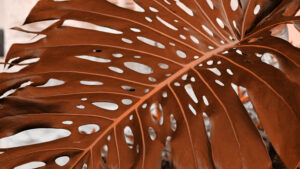
Causes of Browning Leaf Tips (Low Humidity, Overfertilization, Heat Stress) Browning tips often indicate environmental stress. Low humidity can cause moisture loss, leaving leaf tips dry and crispy. Overfertilization leads to salt accumulation in the soil, burning leaf margins. Heat stress from direct sunlight or proximity to radiators accelerates dehydration and tip browning. Cold drafts can similarly damage delicate foliage.
How to Treat Brown Leaf Tips
Increase humidity using a pebble tray or humidifier. Flush the soil periodically to remove excess salts from overfertilization. Move the plant away from direct sunlight, heat sources, or cold drafts. Trim affected tips with sterilized scissors to prevent fungal infections. Regular monitoring and proper environmental control can restore healthy leaf edges.
Why Does My Philodendron Have Leaf Spots or Discoloration?
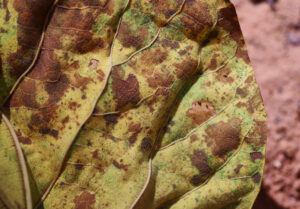
Leaf spots appear as small brown, black, or yellow patches. Fungal infections such as fungal leaf spot thrive in high humidity and poorly ventilated spaces. Bacterial blight and bacterial leaf spot disease often follow waterlogged soil or contaminated tools. Poor air circulation encourages spore growth, turning leaves into a canvas of unsightly spots.
How to Treat Leaf Spots Effectively
Remove infected leaves immediately. Improve air circulation and avoid overhead watering to prevent moisture accumulation. Apply organic fungicides or bactericides if necessary. Maintaining proper spacing between plants, good drainage, and regular sanitation of tools minimizes future infections. Healthy care practices prevent fungal and bacterial recurrence.
Why Are My Philodendron Leaves Drooping or Curling?
Causes (Overwatering, Underwatering, Temperature Stress, Pests). Drooping leaves are the plant’s SOS signal. Overwatering leads to root rot, weakening leaf support. Underwatering causes dehydration and droopiness. Sudden temperature fluctuations, extreme heat stress, or cold damage can also result in curling or drooping leaves. Additionally, pests like spider mites, aphids, mealybugs, and scale insects feed on sap, causing leaves to curl or twist unnaturally.
How to Fix Drooping or Curling Leaves
Check soil moisture and adjust your watering routine. Keep the plant in a stable, warm environment with temperatures between 18–26°C. Inspect for pests regularly and treat infestations with insecticidal soap or neem oil. Prune damaged leaves to promote new growth. Ensuring proper light, humidity, and pest control restores the plant’s natural posture.
Blackened Leaves and Sunburn in Philodendrons
Black or sunburned leaves occur due to direct sunlight exposure, extreme heat stress, or sudden environmental shifts. These leaves indicate tissue damage, often irreversible. Move affected plants to bright, indirect light and avoid sudden relocation outdoors. Trimming severely burnt leaves encourages the plant to focus energy on healthy growth. Preventive care, like consistent indoor placement and avoiding direct sun, reduces blackened leaf incidents.
Root Rot Problems and Poor Drainage Issues
Root rot is the silent killer of Philodendrons. Constantly soggy soil prevents roots from breathing, leading to decay. Poor drainage in clay pots or compacted soil worsens the problem. Overwatering, coupled with low humidity, accelerates fungal growth, making the root system mushy and ineffective at nutrient uptake.
Treatment and Prevention of Root Rot
Remove the plant from its pot and inspect roots. Trim blackened or mushy roots with sterilized scissors. Repot in fresh, well-draining soil mixed with perlite or orchid bark. Reduce watering frequency and ensure pots have drainage holes. Maintaining proper soil aeration and watering practices prevents recurrence.
Common Philodendron Pests and How to Control Them
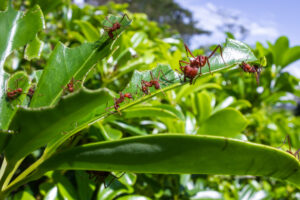
Spider Mites, Mealybugs, Aphids, Scale Insects, Fungus Gnats
Pests sap energy from Philodendrons, causing yellowing, curling, or stunted growth. Spider mites form fine webs on leaves, mealybugs leave white cottony masses, and aphids cluster on new growth. Scale insects appear as tiny brown bumps, while fungus gnats thrive in overly moist soil.
Tips for Pest Prevention
Regularly inspect plants, especially under leaves. Increase humidity slightly to discourage spider mites. Isolate new plants before introducing them to your collection. Use neem oil, insecticidal soap, or horticultural oil for treatment. Maintaining clean pots, fresh soil, and proper watering reduces pest infestations.
Philodendron Diseases and Treatment Methods
Common Diseases (Bacterial Leaf Spot, Bacterial Blight, Fungal Infections) Philodendrons can develop bacterial leaf spot, bacterial blight, and fungal infections if the environment is too moist or contaminated. Symptoms include discolored spots, wilting, and stunted growth. Fungal leaf spots often appear as irregular dark patches, while bacterial blight spreads quickly under wet conditions.
Effective Disease Management
Remove infected leaves immediately. Ensure good airflow around plants and avoid overhead watering. Apply fungicides or bactericides as required. Sterilize tools and keep soil healthy and aerated. Preventive care, including proper watering, light exposure, and pest control, is essential to maintain disease-free plants.
Preventive Philodendron Care and Maintenance Tips
Watering, Light, Humidity, Soil, Fertilizer, and Inspection
Maintain a regular watering schedule: allow topsoil to dry slightly between waterings. Provide bright, indirect light to avoid sunburn. Keep humidity around 50–70% for tropical health. Use well-draining potting soil rich in organic matter. Fertilize monthly during the growing season with a balanced houseplant fertilizer. Inspect plants weekly for pests, diseases, or stress signs.
Long-Term Care for Healthy Philodendrons
Long-term Philodendron care requires attention to detail. Rotate plants periodically for even growth, prune leggy stems, and repot every 1–2 years to refresh soil. Avoid sudden environmental changes and maintain consistent light, temperature, and humidity. With attentive care, Philodendrons can thrive indoors for decades, bringing beauty, air purification, and a touch of tropical elegance to your space.
Conclusion
Philodendrons are resilient, but even hardy plants face challenges. Yellowing leaves, brown tips, leaf spots, drooping, curling, pests, and root rot are signals to take action. Understanding the causes—from overwatering to low light, nutrient deficiency, pests, and fungal infections—allows plant lovers to provide corrective care. By following proper watering routines, maintaining humidity, inspecting for pests, and optimizing soil and light, you can ensure your Philodendron remains lush, vibrant, and a centerpiece of your indoor jungle. Prevention, vigilance, and attentive care are the keys to long-term success.
FAQs
Q1: How often should I water my Philodendron?
A: Water when the top 2–3 inches of soil are dry. Overwatering can lead to root rot, while underwatering causes wilting and yellowing leaves.
Q2: What is the best light condition for Philodendrons?
A: Bright, indirect light is ideal. Avoid direct sunlight, which can cause leaf burn, and low light, which may lead to leggy growth.
Q3: How do I prevent pests like spider mites and mealybugs?
A: Regular inspection, maintaining humidity, isolating new plants, and using neem oil or insecticidal soap can prevent infestations.
Q4: Can I fix root rot in my Philodendron?
A: Yes. Remove affected roots, repot in fresh well-draining soil, and adjust watering practices. Consistency prevents recurrence.
Q5: How do I keep Philodendron leaves green and healthy long-term?
A: Provide bright, indirect light, proper watering, balanced fertilizer, adequate humidity, and regular inspections. Remove damaged leaves and rotate plants for even growth.