
How Do You Propagate a Philodendron?
Propagating a Philodendron is like giving life to a whole new generation of your beloved indoor houseplants. Whether it’s the Philodendron hederaceum or the exotic Philodendron Pink Princess, propagation allows you to expand your collection without buying new plants. From stem cuttings to the division method, you can ensure healthy root development while maintaining the beauty of heart-shaped leaves and trailing vines. In this guide, I’ll walk you step by step through proven methods that beginners can easily follow.
What Does Philodendron Propagation Mean?
Philodendron propagation refers to the process of creating new plants from an existing mother plant. Essentially, it’s the plant’s way of multiplying itself through techniques like stem cuttings, water propagation, or division method. Think of propagation as cloning your plant — a way to share its glossy leaves and vibrant energy across your home or garden.
Why Should You Propagate Your Philodendron?
Propagation isn’t just about having more plants; it’s about maintaining plant health. When you prune overgrown philodendrons and root the cuttings, you prevent stress in the main plant and stimulate fresh growth. Propagation also allows you to preserve rare varieties such as Philodendron Congo Rojo or Philodendron Lemon Lime, keeping their unique colors and variegations alive.
When Is the Best Season to Propagate Philodendrons?
Spring and summer are ideal because Philodendrons are in their seasonal growth phase. During these periods, the plant actively develops aerial roots, leaf nodes, and strong stems, increasing your propagation success. While propagation can occur in fall or winter, root development slows down and cuttings may take longer to establish.
What Are the Different Ways to Propagate a Philodendron?
There are three main methods:
- Stem Cuttings: Using healthy stems to grow new plants.
- Water Propagation: Rooting cuttings in jars of water until roots form.
- Soil Propagation: Planting cuttings directly in a moist, well-draining potting mix.
- Division Method: Separating an overgrown philodendron into smaller sections with established rootballs.
How Do You Propagate a Philodendron Using Stem Cuttings?
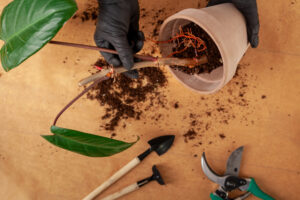
Start with healthy stems that have leaf nodes, usually 4–6 inches long. Remove leaves from the lower half and optionally dip the cut ends in rooting hormone to encourage growth. Stem cuttings are particularly effective for trailing philodendrons like Philodendron Brasil or Philodendron brandtianum.
How Do You Root a Philodendron in Water?
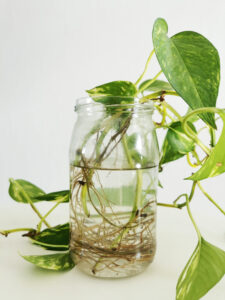
Fill a glass jar with purified water and place your cuttings so that all nodes are submerged. Keep the jar in bright indirect light and change water every few days to prevent algae growth. Within 3–4 weeks, you’ll notice tiny roots emerging, ready to be transplanted into soil.
How Do You Root a Philodendron Directly in Soil?
Choose a small plant pot with moist, well-draining soil mix enriched with perlite or vermiculite. Insert the cuttings so all nodes are buried, patting the soil gently around them. Maintain a warm, humid environment with indirect sunlight, ensuring the soil stays moist but not soggy.
How Can You Propagate Philodendrons Through Division?
For overgrown philodendrons, carefully remove the plant from its pot and examine the rootball. Divide it into sections with at least two healthy roots each. Replant in separate pots with fresh potting mix, watering thoroughly. This method works especially well for self-heading philodendrons like Philodendron Birkin or Philodendron Congo Rojo.
What Tools and Materials Do You Need for Propagation?
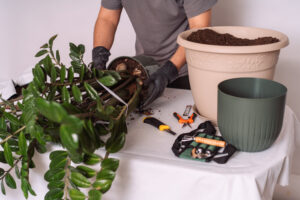
Some essential tools include:
- Pruning shears or a small knife
- Rooting hormone (optional)
- Glass jar for water propagation
- Small plant pot for soil propagation
- Well-draining potting mix with perlite and vermiculite
How Do You Choose a Healthy Parent Plant for Propagation?
Select a mature plant with glossy leaves, firm stems, and no signs of pests or disease. Healthy stems ensure faster root growth and reduce stress during the propagation process. Avoid damaged leaves or weak nodes to maximize success.
What Cutting Tools Are Best for Philodendron Propagation?
Sharp pruning shears or a sterilized knife is essential. Clean tools prevent the spread of disease and ensure a clean cut at the leaf node. A 45-degree angled cut encourages branching and faster rooting.
What Soil Mix Works Best for Rooting Philodendron Cuttings?
Use a mix of potting soil, perlite, and vermiculite. This combination provides excellent drainage while keeping enough moisture for root development. Light, airy soil prevents root rot and promotes healthy, strong plants.
Which Containers or Jars Should You Use for Propagation?
For water propagation, a clear glass jar allows you to monitor root growth easily. For soil propagation, choose a small plant pot with drainage holes to prevent waterlogging. Proper containers reduce stress and accelerate the propagation timeline.
Caring for Your Philodendron After Propagation
Once roots are established, ensure your cuttings receive bright, indirect light. Maintain a warm, humid environment and water when the top 2 inches of soil are dry. Gradually introduce diluted fertilizer during the spring propagation phase. Regularly check plant health to prevent yellowing leaves, rot, or other common issues.
Conclusion
Philodendron propagation is a rewarding journey that transforms your indoor space into a lush, vibrant sanctuary. Whether you choose stem cuttings, water propagation, or the division method, each technique ensures new growth and preserves the charm of your favorite Philodendron varieties. With patience, care, and attention to detail, anyone can multiply these tropical gems and enjoy thriving greenery year-round.
FAQs
-
How long does it take for Philodendron cuttings to root?
It typically takes 3–4 weeks in water and slightly longer in soil, depending on environmental conditions.
-
Can I propagate a Philodendron from a leaf alone?
No, a leaf cutting cannot root. You need a node with stem tissue for successful propagation.
-
What is the easiest Philodendron to propagate?
Philodendron hederaceum (heartleaf philodendron) is beginner-friendly and roots quickly in both water and soil.
-
How often should I water new Philodendron cuttings?
Water when the top 2 inches of soil are dry; avoid overwatering to prevent root rot.
-
Can I propagate variegated Philodendrons?
Yes, but choose healthy stems with visible nodes to preserve the unique leaf patterns of varieties like Philodendron Pink Princess.